My child cannot seem to play nicely with other children in the sandbox. What can I do to help?
There are different options you can do to help solve this issue, and one of them is more of a proactive strategy to help decrease interfering behaviors.
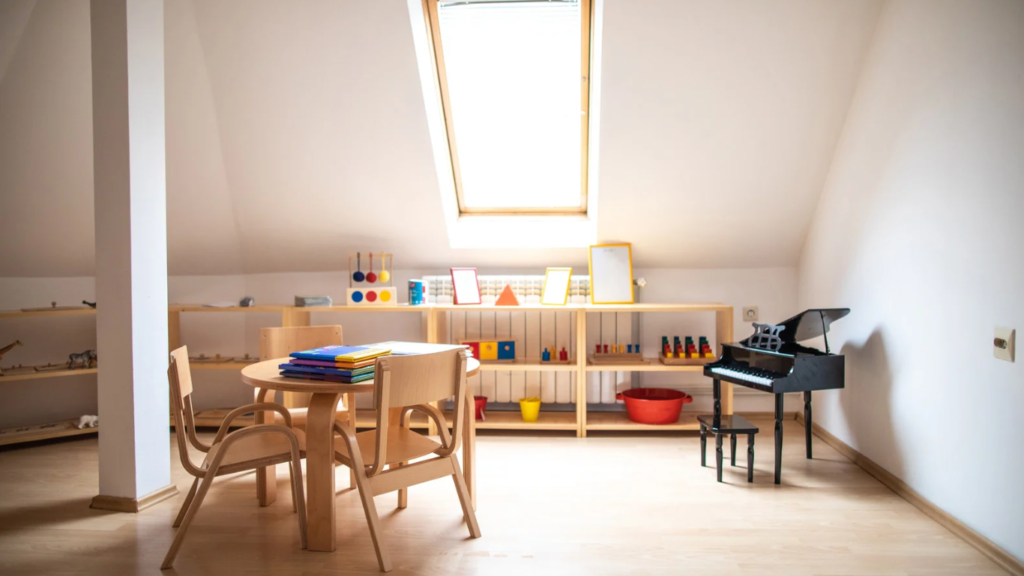
One of the strategies I like to guide parents through is to alter the environment. This helps to decrease the odds that the undesired behavior will occur.
Altering the environment can be used for a variety of situations. For example, children that struggle with staying in their seat can benefit from an alteration of the environment to promote on task behaviors.
can also help to reduce the chances of interfering behaviors from occurring.
When it comes to learning about ABA techniques and using an altering the environment strategy, subscribe to The ABA Parent Page to be in the know of future posts and resources.
What does altering the environment do?
When you alter the environment, you are purposely setting up the environment for your child to succeed.
This strategy can be done to help decrease the chances of interfering behaviors occurring.
Why alter the environment?
This strategy will help your child engage with others in social situations, complete tasks, or even access highly preferred activities.
Your child can remain focused, less stressed or anxious, and able to engage with others in a more appropriate manner.
How do I alter the environment?
Work on identifying what aspects of the current environment are triggering for interfering behaviors for your child.
Problem solve how you can make changes to limit these factors. If you can remove fluorescent lighting that seems to be upsetting your child (maybe they frequently turn the lights off), try switching out the light bulbs for dimmer ones.
When making changes, work on limiting the identified triggers to set your child up with little to no contact with those distressing components.
Some examples of altering the environment
- Sitting next to your child in social situations to decrease chances of interfering behaviors occurring.
- Remove distractions during homework time.
- Change where your child sits to limit running away from tables or sitting areas.
Take Aways
Choosing to alter the environment can help your child succeed in various activities, engage in more social interactions, or remain on task.
There are numerous ways to alter the environment, and each will depend on the reasoning and what the environment is.
Once you determine what the problem is that is triggering interfering behaviors, you can work to find a solution that can ultimately help your child in the long-run.
So let’s talk about behaviors! Subscribe to The ABA Parent Page to be in the know of new posts and additional information about ABA in the home!